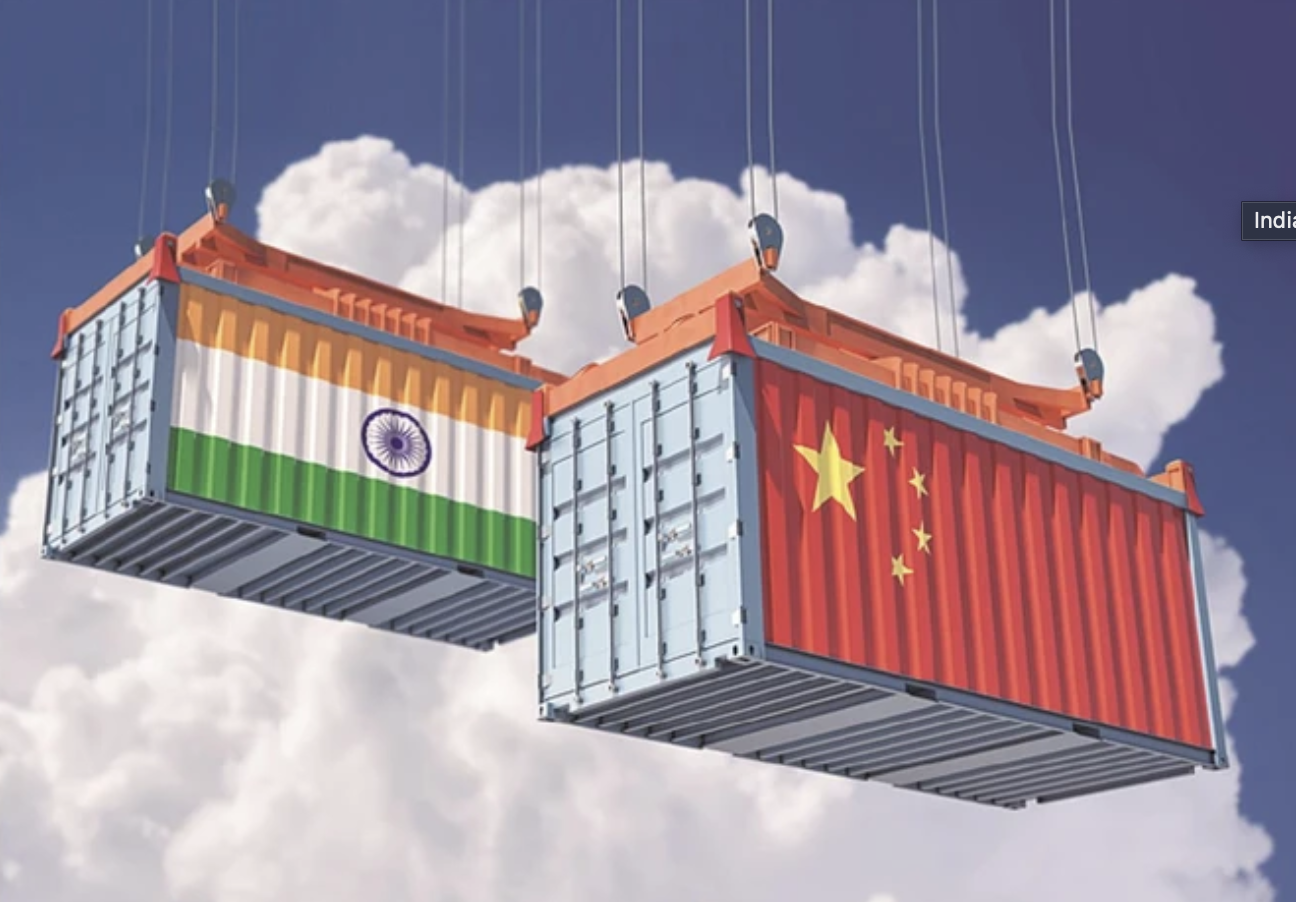
India’s relationship with China is one of those things that feels strategic, economic, and historic all at once. From the shock of the 1962 war to the mounting trade deficit, China-Pakistan ties, and recent diplomatic gestures in the Shanghai Cooperation Organisation (SCO), India has to figure out—is China a partner, a rival, or something in between?

History & the Sino-India War
Going back decades, India and China shared cultural, spiritual, and diplomatic links, including Buddhism, trade, and even the spirit of non-alignment. There was a time when Panchsheel and “Hindi-Chini bhai-bhai” spoke more of hope than suspicion. But then came 1962. That war over Aksai Chin in the west and Arunachal Pradesh in the east was more than a military defeat. It sowed deep distrust. Indian strategic posture changed; infrastructure development in border areas became a permanent concern. Very few Indian policies since then can ignore the shadow of that conflict.
Economic Ties & the Deficit
Trade between India and China has grown exponentially. But it’s become bitterly unequal. In FY 2024-25, India’s trade deficit with China hit a record $99.2 billion. Imports were ~$113.5 billion; exports were only ~$14.3 billion. (Business Standard, 2025)
That gap isn’t just numbers. It’s structural. For example:
- China supplies 97.7% of India’s erythromycin needs, 96.8% of silicon wafers, and 86% of flat-panel displays. (Times of India, 2025)
- Many of the imports are capital goods, intermediate goods, and electronic parts. Goods that India then uses in its manufacturing or processing sectors. But there’s a risk: when you depend that heavily on imports, you invite supply-chain risk, price manipulation, and leverage. (The Economic Times, 2024)
India has implemented countermeasures, including safeguard duties (on steel, for example), to curb “cheap imports” flooding certain sectors. But they’re reactive. The underlying issue isn’t just “China exports too cheap.” It’s about India’s domestic ability to produce or supply, and doing so at a competitive scale.
China’s Strategic Friendship with Pakistan
One of the sharpest points in India’s rivalry with China is Pakistan. According to SIPRI data cited in multiple local papers, 81% of Pakistan’s arms imports in the last five years have come from China. (SCMP, 2025)
China and Pakistan jointly developed the JF-17 under a programme dating back to 1999. Photo: It’s about posture: fighter jets, naval vessels, missile systems. Not simple goods but strategic enablers. China’s role through the China-Pakistan Economic Corridor (CPEC) also plays into India’s strategic concerns, particularly in disputed or sensitive border areas. This deep defence cooperation intensifies distrust and makes any talk of cooperation harder to swallow.

Geopolitical Dilemma: India, US & China
India is constantly balancing. Think School’s recent summary (Think School, 2025) points out that economic necessity sometimes nudges India closer to China, even while security distrust remains. Tariffs, trade bans, and pressure from the U.S. have forced India to evaluate what it gains and what it risks.
India’s agriculture sector cannot simply compete with heavily subsidised imports; opening up too fast could damage livelihoods. At the same time, rising Chinese labour costs have shifted low-margin manufacturing opportunities to India, Vietnam, and Bangladesh. India has begun to benefit from that “China + 1” pattern. But dependency on imported inputs (often from China) puts a ceiling on how much domestic manufacturing can scale fast. (Think School, 2025)
SCO & Recent Diplomatic Signals
In recent SCO meetings, India has shown cautious openness. India rejected certain statements seen as pro-Pakistan, especially when they omit or gloss over Indian concerns (e.g., terror attacks, cross-border incidents). (AP News, 2025)
On the border, there have been symbolic gestures, disengagement in some sectors of Ladakh, limited restoration of patrols, some local trade recovery, but real trust remains low. Even while SCO offers a platform for cooperation (on issues such as terrorism and trade), it often reveals underlying differences rather than resolving them.
Lessons & Policy Path Forward
China’s story offers warnings:
- Hidden risk in debt and growth for show: China’s use of LGFVs, ghost cities, and politically driven infrastructure reveals how growth that isn’t anchored in real demand can lead to big problems. India must ensure transparency in public finances, avoid overbuilding, and align growth incentives with real needs.
- Economic independence: With trade deficits this large, India must not just protect some sectors (steel, pharma) with tariffs but invest in domestic capacity, R&D, supply chains, and raw materials.
- Strategic relationships: India’s ties with the U.S., Japan, Australia (Quad), ASEAN, etc., matter more now. While China remains unavoidable, over-reliance is dangerous.
- Use multilateral forums not just to talk, but to assert norms: trade fairness, non-interference, transparency, respect for sovereign concerns, and balanced cooperation.

Conclusion
China is neither a reliable friend nor an unremitting foe. It is a strategic competitor, sometimes a partner, and often a threat. The relationship is characterized by cooperation in trade, diplomacy, and multilateral forums, as well as friction in security, trust, and dependency.
For India, the question is: can we engage China where needed, defend our interests without over-reliance, and build domestic strength to reduce the vulnerability that comes from deficit and strategic exposure? This is what India needs to do to manage its fluctuating relationship with the United States.
Because what’s at stake is not just trade numbers or treaties. It’s India’s capacity to act freely, protect its borders, and grow without being held hostage by others.
Written by – Krishna Murugappan