
Skip to content
  • Home
  • BLOG
    • ECONOMICS AND FINANCE
    • NATIONAL
    • INTERNATIONAL
      • ASIA
      • EUROPE
      • MIDDLE EAST
      • AMERICA
    • SCIENCE
      • ENVIRONMENT
      • TECHNOLOGY
    • SOCIETY
    • POLITICS
    • BUSINESS
    • ENTERTAINMENT
      • BOOK REVIEWS
      • MOVIE REVIEWS
  • E-Magazine
  • About Us
  • Our Team
  • Writers & Editors
  • MORE
    • Contact Us
    • Work With Us
    • Submit a Guest Post
The Economic Transcript
Subscribe
The Economic Transcript
  • Home
  • BLOG
    • ECONOMICS AND FINANCE
    • NATIONAL
    • INTERNATIONAL
      • ASIA
      • EUROPE
      • MIDDLE EAST
      • AMERICA
    • SCIENCE
      • ENVIRONMENT
      • TECHNOLOGY
    • SOCIETY
    • POLITICS
    • BUSINESS
    • ENTERTAINMENT
      • BOOK REVIEWS
      • MOVIE REVIEWS
  • E-Magazine
  • About Us
  • Our Team
  • Writers & Editors
  • MORE
    • Contact Us
    • Work With Us
    • Submit a Guest Post
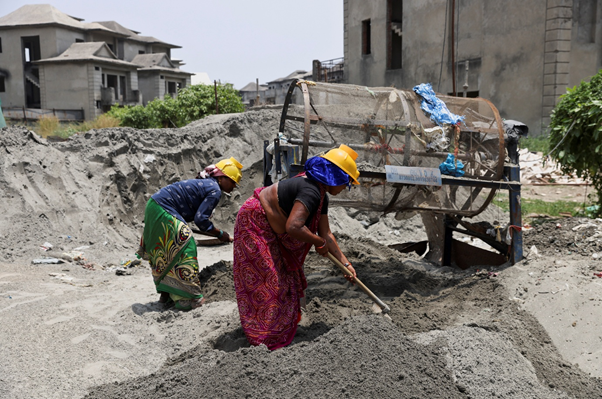
Figure 1. Labourers work at a construction site during a heatwave in Noida, India, May 12, 2022. Photo: Anushree Fadnavis/Reuters.
ECONOMICS AND FINANCENATIONAL

Extreme Heat in India: The Growing Economic Cost of Rising Temperatures

How rising temperatures are changing work,...
The Economic TranscriptAug 31, 2026Aug 31, 2026
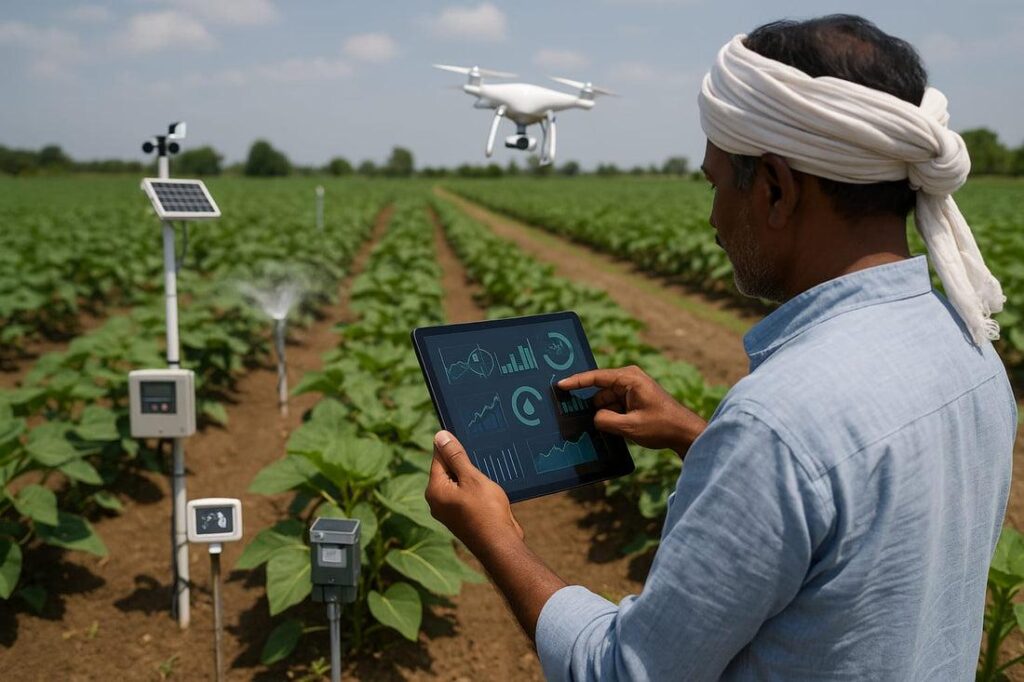
Climate Tech in Indian Agriculture: How AI Can Protect Farmers, Crops and Supply Chains from Climate Change
AGRICULTURETECHNOLOGY

Climate Tech in Indian Agriculture: How AI Can Protect Farmers, Crops and Supply Chains from Climate Change

Changing climate is affecting crops and...
The Economic TranscriptAug 29, 2026Aug 31, 2026
Marathi language and jobs in Mumbai
ECONOMICS AND FINANCE

When language enters the labour market : Marathi, mobility and the economics of who gets to drive Mumbai.

A language usually belongs to culture....
The Economic TranscriptAug 26, 2026Aug 26, 2026
India Sugar Crisis 2026: From Sugar Exports to Imports and the Ethanol Challenge India’s sugar industry is an essential part of the rural economy. Sugar is one of India’s most important agricultural commodities, linking farmers and sugar mills with rural employment, food prices, energy security and international trade, making India the world’s largest producer and consumer of sugar. India’s Growing Role in the Global Agricultural Trade Over the last 20 years, agricultural trade has been increasing steadily in the global economy. There has been a clear shift toward demand for high-value processed agricultural products for consumption, with India's processed food imports increasing more than 20 times from 2003 to 2023. The rise in intra-industry trade in processed agricultural products has been one of the major drivers of agricultural trade among the countries of the global south, particularly in India. India’s Sugar Exports Fall as Domestic Supply Tightens India’s sugar exports have fallen to under 5 percent of output in the last two years after years of strong overseas sales, data from the Ministry of Consumer Affairs, Food and Public Distribution showed. This represents a significant change from the 2021-22 season when exports were at a high of almost 30 percent of India’s sugar output. India went into the 2025-26 season expecting enough sugar to allow exports. By May, exports had been prohibited. Three months later, the government was considering imports. Production fell short of early estimates, but the speed of reversal raises questions about how those estimates were used when export licenses were issued. HOW DID THIS HAPPEN? The government permitted exports of 1.5 million tons in November 2025. The quota was then redistributed among the mills and increased only slightly; by early May, total authorized exports reached about 1.59 million tons. Production prospects deteriorated, and exports were stopped. By then, about 0.8 million tons had already been shipped. image Falling Sugar Production and Shrinking Stocks Crop estimates had been falling for some time. The Indian Sugar and Bio-energy Manufacturers Association reduced its net sugar production forecast for 2025-26 to 29.3 million tons from 30.95 million tons in February. ICRA estimated net production, after diversion to ethanol, at around 28 million tons against domestic consumption of 28.3 million tons by late May. It forecast stocks at the end of September would be around 4.3 million tons, down from 5.3 million tons a year ago. Sugar that already had been exported meant stocks available at the start of next season were forecast to be considerably lower. Early August trade estimates suggested that opening stocks on October 1 could be about 3.5 million tons. Why India’s Sugar Export Policy Became a Challenge One could say sugar exports were warranted when it seemed that production would result in a large surplus. The problem was that the surplus was getting smaller. Export approvals committed stocks that were unrecoverable when estimates later fell. A commodity sensitive to weather, where cane yields fluctuate, needs a larger margin to accommodate forecasting errors before exports are permitted. India Moves From Sugar Exports to Imports Then came the biggest change in the sugar market in almost a decade. India’s Directorate General of Foreign Trade opened a tariff rate quota for 1 million tons of raw sugar at zero duty on 20 August 2026, valid until 31 October. The standing rate on sugar imports was 100 per cent. India last imported this commodity for domestic use in 2017-18. According to The Economic Times, domestic sugar prices have increased by nearly 40% in two months, while available stocks have become tighter ahead of the festive season. The move from exporting sugar to allowing imports has therefore raised an important question: What changed in India’s sugar market within such a short period? image Climate Change and Weather Risks for India’s Sugarcane Production Climate change and increased weather instability have been identified as major contributing factors. Reliable rainfall and irrigation are critical to sugarcane production. Heat waves, extended dry spells, irregular monsoons, and water scarcity all have an impact on crop growth and eventually lower the amount of sugar that can be made from harvested cane. In places like Maharashtra and Karnataka, sugarcane yields have become more uncertain due to unpredictable monsoons and unexpected rainfall that impact the quantity and quality of cane. According to industry data, late rains in October 2025 caused blooming in mature cane, reducing sugar concentration and jeopardizing expected output. Ethanol Blending Adds Pressure to Sugar Supply Another factor behind the export curbs is the government’s drive to boost ethanol blending in transport fuels. In 2025–2026, about 3.5 million tons of sugar equivalent was converted to ethanol. Five years ahead of schedule, India achieved 20% ethanol blending in gasoline during the 2025–2026 supply year. In April 2026, E20 became required in all states. Although it lowers the amount of cane available for conventional sugar production, rerouting cane juice and molasses to ethanol distilleries promotes India's clean energy goals. Although this policy trade-off is in line with the objectives of energy security, it must be carefully balanced to prevent domestic shortages and control pricing. image What Lies Ahead for India’s Sugar Industry? The coming years may see ongoing caution from policymakers. The Center is anticipated to continue taking a cautious approach towards exports into 2026–2027 due to the threat of El Niño and anticipations of reduced cane sowing in important states. In the meantime, India's larger energy and agricultural policy will continue to revolve around the ethanol push, further tightening the trade-off between fuel requirements and food security. The Future of India’s Sugar Industry Navigating these conflicting agendas while making sure that farmers, consumers, and industry stakeholders are all resilient in the face of unpredictability is a problem India faces. The future of the nation's sugar industry will depend on striking a balance between exports, local supply, and the emerging ethanol economy.
ECONOMICS AND FINANCEAGRICULTURE

India Sugar Crisis 2026: From Sugar Exports to Imports and the Ethanol Challenge

India’s sugar industry is an essential...
The Economic TranscriptAug 24, 2026Aug 24, 2026
Migration Economics: How City Migrants Shape Local Prices, Jobs and Urban Growth
ECONOMICS AND FINANCE

Migration Economics: How City Migrants Shape Local Prices, Jobs and Urban Growth

Understanding Migration: Push and Pull Factors...

The Economic TranscriptAug 21, 2026Aug 21, 2026
behavioral nudges to save money
ECONOMICS AND FINANCE

How Behavioral Nudges Can Help You Save More Money?

Why Is Saving Money So Difficult?...
The Economic TranscriptAug 19, 2026Aug 19, 2026
Water Scarcity in Semi-Urban India: The Hidden Economic Cost for Women
ECONOMICS AND FINANCE

Liquid Gold: The Hidden Economic Toll of Water Scarcity on India’s Semi-Urban Women

“The heaviest burden of water scarcity...
The Economic TranscriptAug 17, 2026Aug 18, 2026
ECONOMICS AND FINANCE

Can Money Save the Ocean? The Rise of Blue Finance

Can the world’s biggest environmental challenge...

The Economic TranscriptAug 14, 2026Aug 19, 2026
Artificial intelligence and government AI regulation
TECHNOLOGY

Can Public Policy Keep Up With Artificial Intelligence?

AI and the Changing Policy Landscape...
The Economic TranscriptAug 12, 2026Aug 12, 2026
India's youth protest 2026
NATIONALPOLITICS

INDIA’S YOUTH PROTEST 2026: Real Change or Just a Resignation?

There is a video from July...
The Economic TranscriptAug 10, 2026Aug 10, 2026
ECONOMICS AND FINANCE

India’s Tariff Tightrope

Trade between the U.S. and India...
The Economic TranscriptMar 10, 2026Mar 10, 2026
ECONOMICS AND FINANCE

World Economic Outlook 2026: A Fragile Recovery in a Divided Global Economy

The global economy is no longer...
The Economic TranscriptMar 5, 2026Mar 5, 2026
ECONOMICS AND FINANCENATIONAL

India’s Union Budget 2026–27

India’s Union Budget for 2026-27 lands...

The Economic TranscriptMar 3, 2026Mar 3, 2026
BUSINESSECONOMICS AND FINANCE

Beyond Banks: How Wall Street Learned to Love the Blockchain

Recently, BlackRock made a move that...

The Economic TranscriptFeb 26, 2026Feb 26, 2026
ECONOMICS AND FINANCEEDITORIAL AND OPINION

“Our Dollar, Your Problem”  – Concise Book Review 

In an era marked by geopolitical...

The Economic TranscriptFeb 24, 2026Feb 24, 2026
TECHNOLOGY

Rethinking Cybersecurity for AI-Driven Threats

Ten years ago, cybersecurity focused on...

The Economic TranscriptFeb 10, 2026Feb 10, 2026
NATIONALTECHNOLOGY

Invented in India: The Structural Shift from Service-First to IP-First

For a considerable decade, India’s technology...

The Economic TranscriptFeb 5, 2026Feb 5, 2026
AMERICAECONOMICS AND FINANCEINTERNATIONAL

Digital Currencies and the Politics of Money

For many years, the United States...

The Economic TranscriptFeb 3, 2026Feb 3, 2026
BUSINESSNATIONALSOCIETY

From Brain Drain to Brain Gain

India has long grappled with the...
The Economic TranscriptJan 29, 2026Jan 28, 2026
AMERICAINTERNATIONALPOLITICS

The Dramatic Shift in Trump’s Latin American Doctrine

For nearly two decades, Washington tried...
The Economic TranscriptJan 27, 2026Jan 27, 2026
BUSINESSENVIRONMENT

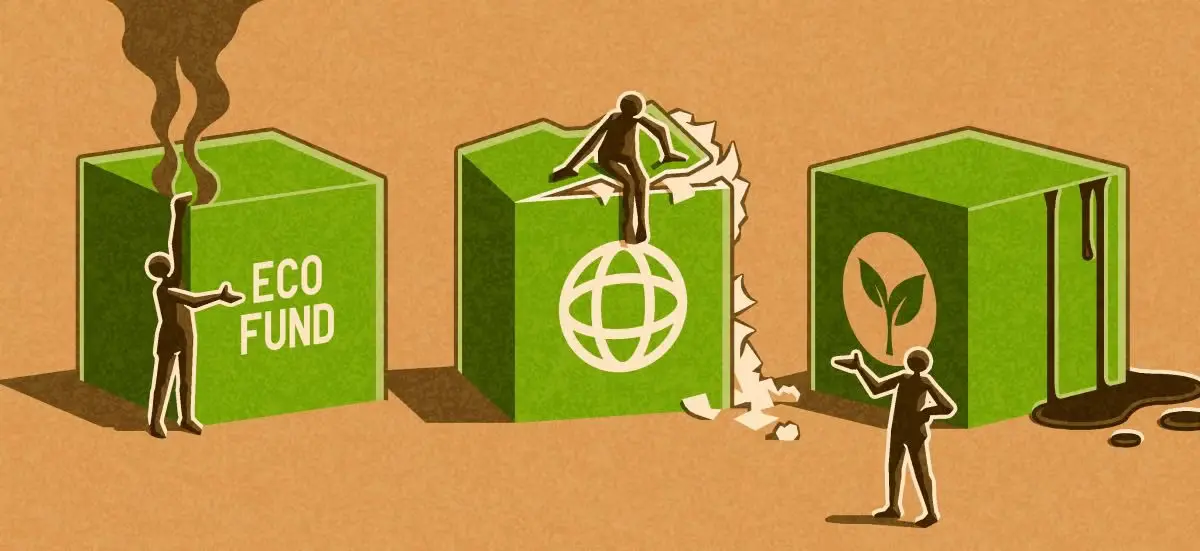
Beyond the Green Façade

When you are buying a T-shirt...
The Economic TranscriptJan 8, 2026Jan 8, 2026
ENVIRONMENTINTERNATIONALPOLITICS

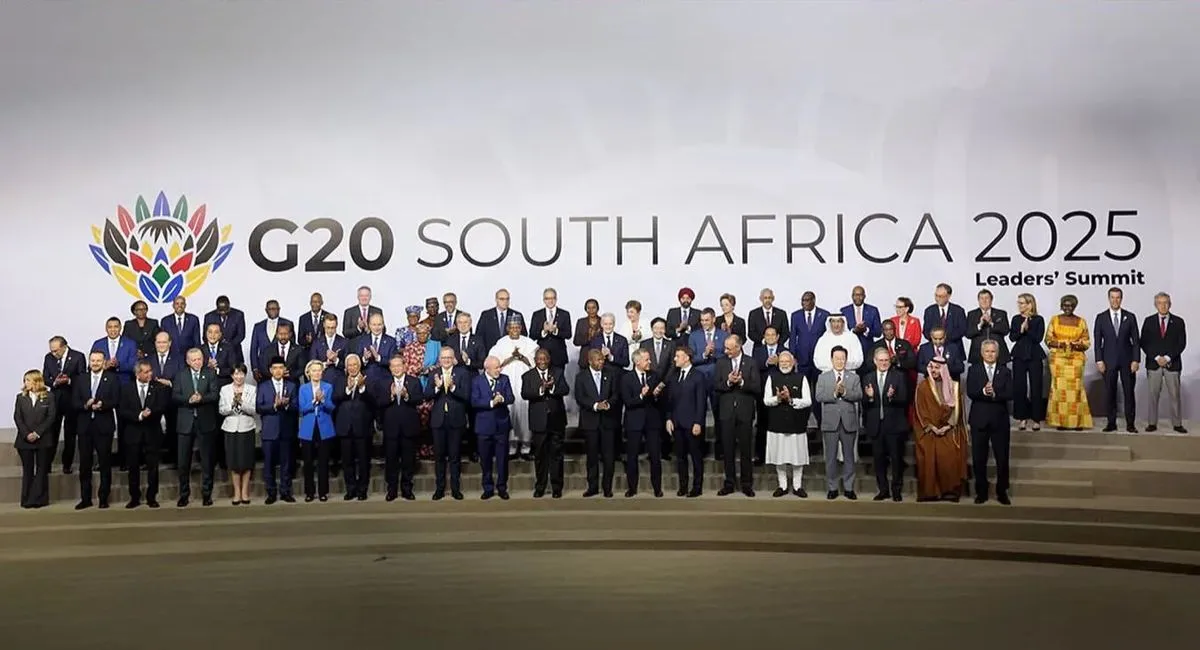
G20 Summit 2025: A World Negotiating Its Next Chapter

Global diplomacy rarely promises drama, yet...
The Economic TranscriptJan 6, 2026Jan 6, 2026
BUSINESSCULTURE

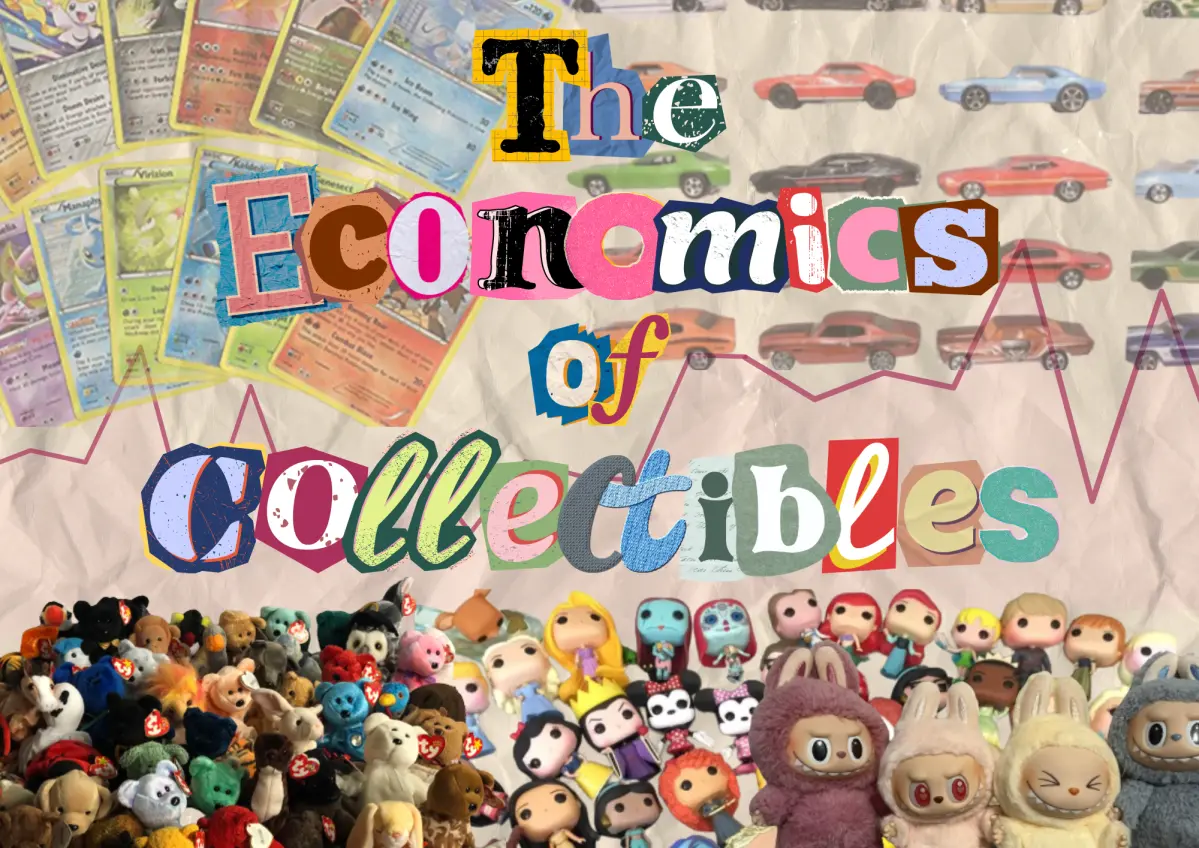
The Economics Behind Collector’s Items

When a sealed copy of Super...
The Economic TranscriptDec 30, 2025Dec 30, 2025
ECONOMICS AND FINANCEEUROPE

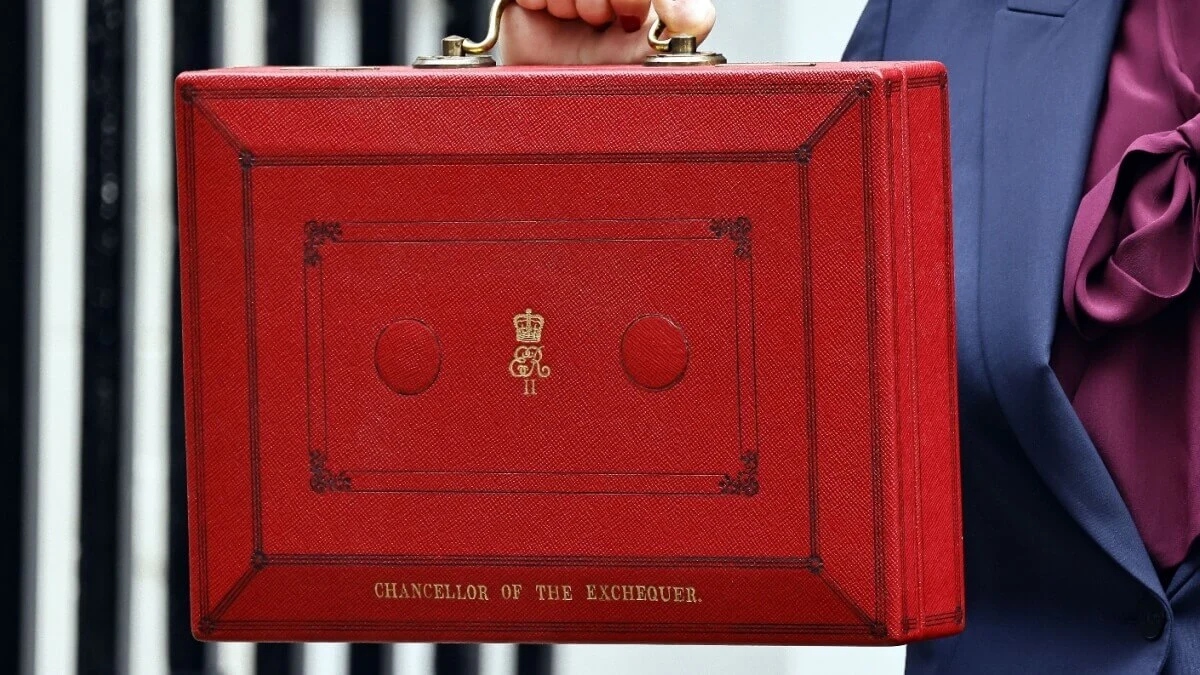
UK Budget 2025: Who Pays and Who Benefits

When Rachel Reeves delivered the budget...
The Economic TranscriptDec 23, 2025Dec 30, 2025
CULTUREECONOMICS AND FINANCE

Beyond the Brushstroke: Art as the Ultimate Alternative Investment

Art does not only have value...
The Economic TranscriptDec 18, 2025Dec 18, 2025
ECONOMICS AND FINANCESOCIETY

Can We Still Believe Economic Papers?

For decades, academic economics has shaped...
The Economic TranscriptDec 16, 2025Dec 15, 2025
ECONOMICS AND FINANCE

Global Oil Market Update: Prices, Trends & Role of Economic Indicators

Towards the end of October, the...
The Economic TranscriptDec 9, 2025Dec 9, 2025
ECONOMICS AND FINANCESCIENCE

The Architecture of Growth: Insights from the 2025 Nobel Prize

“Innovation doesn’t fill the well of...
The Economic TranscriptDec 4, 2025Dec 4, 2025
ENVIRONMENTINTERNATIONAL

COP30: The Amazon Waits for Answers

As COP30 unfolds in Belém, the...
The Economic TranscriptDec 2, 2025Dec 9, 2025
BOOK REVIEWSCULTUREECONOMICS AND FINANCE

Why We Are Getting Poorer: An Economy That No Longer Remembers Its People

In The Condition of the Working...
The Economic TranscriptNov 27, 2025Nov 26, 2025
123
Copyright © 2026 - Yuki Reverie Blog Theme By WP Moose