
How leadership uncertainty and falling market value at one of the world’s most influential technology companies could affect AI businesses, investors and the infrastructure powering artificial intelligence.
WHEN ONE COMPANY SHAKES AN ENTIRE INDUSTRY.
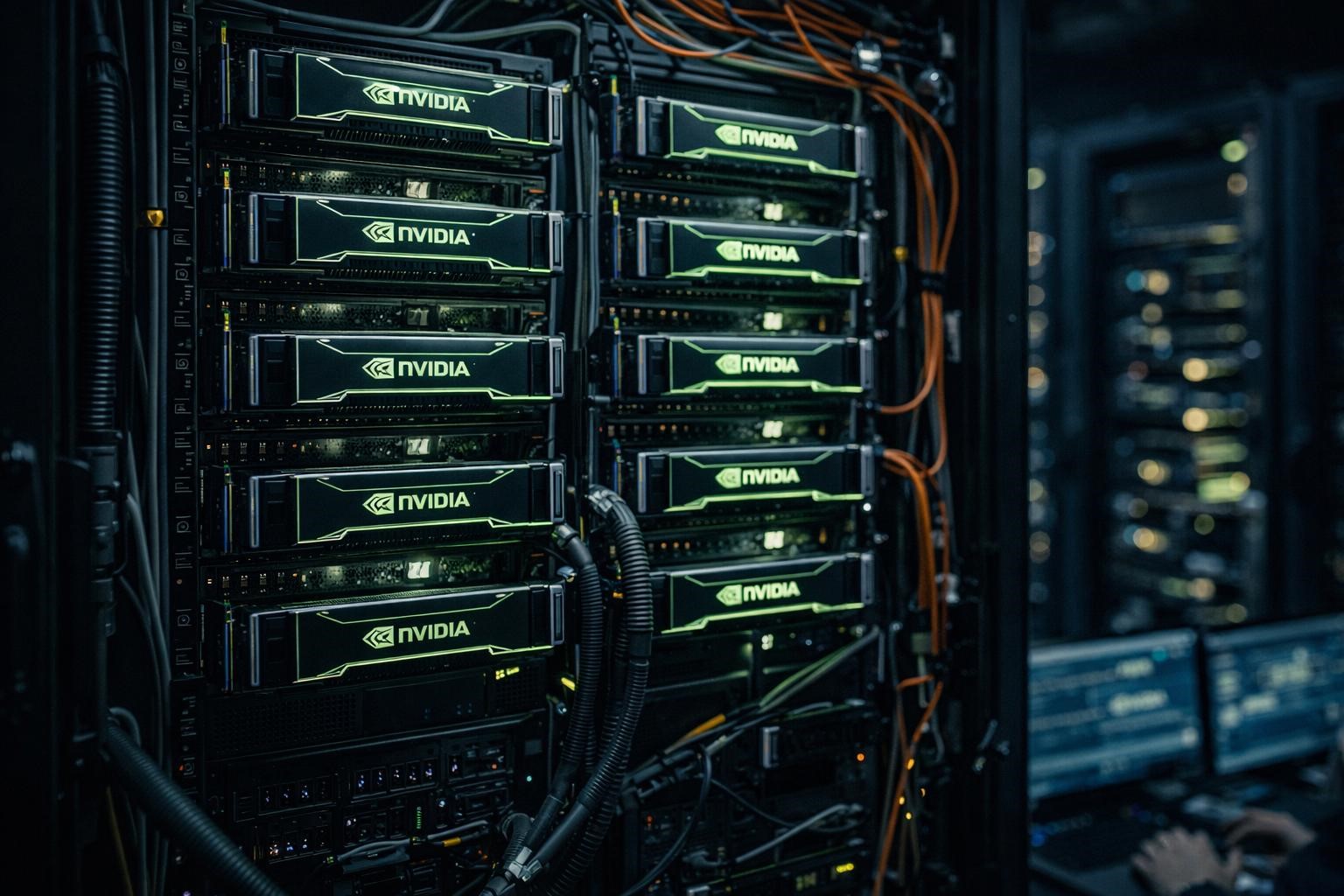
For years, Nvidia has been one of the biggest beneficiaries of the artificial intelligence boom. Its chips power the data centres that train and operate many of the world’s advanced AI systems. From technology giants to emerging AI companies, businesses have increasingly depended on Nvidia’s hardware to expand their computing capacity.
However, November 2026 brought an unexpected crisis. After reports regarding CEO Jensen Huang, Nvidia experienced uncertainty around their leadership, a large fall in their market value and increasing investor concerns. This then impacted other AI related companies. This leads to an important question; if a company becomes a focal point of an entire industry, can a crisis within the company cause a crisis for the industry?
WHY NVIDIA MATTERS SO MUCH TO THE AI ECONOMY.
Training large AI models requires vast amounts of processing power, with specialist processing hardware, energy and data centre infrastructures. As a result, Nvidia’s graphics processing units (GPUs) have become an essential tool for many of these processes.
The Nvidia brand also offers a whole range of hardware, software and network technologies to help businesses build and run AI systems. For example, their CUDA software platform is very much embedded within AI development. This makes it more complex to switch suppliers.
Therefore Nvidia is not simply another technology company fighting for market share. It is a key supplier to much of the infrastructure supporting the global AI industry. This means that uncertainty over their leadership or strategy could impact businesses beyond their own.
INVESTORS: WHEN CONFIDENCE BECOMES AN ECONOMIC FACTOR.
Financial markets will often look at how well a company is doing now and what they expect it to be doing in the future. This has been highlighted by the problems Nvidia is currently having.
Reports of uncertainty around the leadership team have caused the stock price to crash. This has caused investors to begin questioning the future direction of the company, corporate governance and the sustainability of the AI investing boom.
However, just because the stock price is dropping, it does not mean the company is going out of business. The market capitalisation shows how much investors are valuing the company. This can fluctuate quickly. Even if the products are still selling well.
The uncertainty around the company can cause investors to think that a change in the leadership team will cause a lack of confidence in the long-term future of the company. Or alternatively, if the transition is handled well, it can show that they have a strong infrastructure in place which is not reliant on only one person.
AI COMPANIES AND DATA CENTRES: THE RIPPLE EFFECT.
This could be particularly impactful for companies building data centres and offering cloud computing.
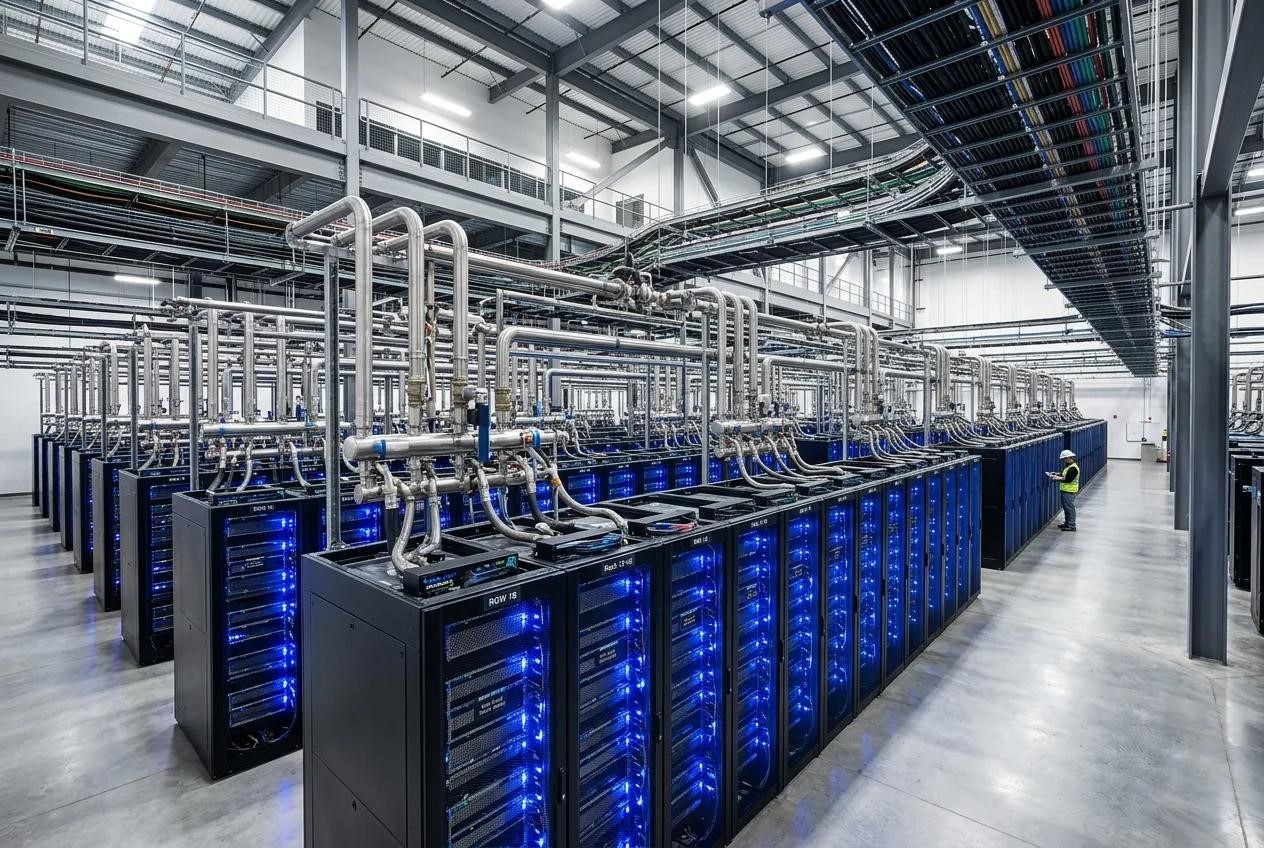
A lot of capital has been invested in processors, servers, network infrastructure, electricity and cooling systems. Many businesses have invested a lot of capital, assuming that the demand for AI computing will continue to grow.
On top of this, Nvidia’s situation has raised concerns around the financial relationships between businesses using their products. When a major provider offers financial support to businesses using it, there can be concerns around the circularity of the funding. This can cause vulnerabilities.
Whilst this does not necessarily mean that these situations are unsustainable, there may be concerns around the future of the business. This could cause data centre owners and cloud providers to rethink their expansion plans if they heavily rely on one provider.
COULD NVIDIA’S RIVALS BENEFIT?
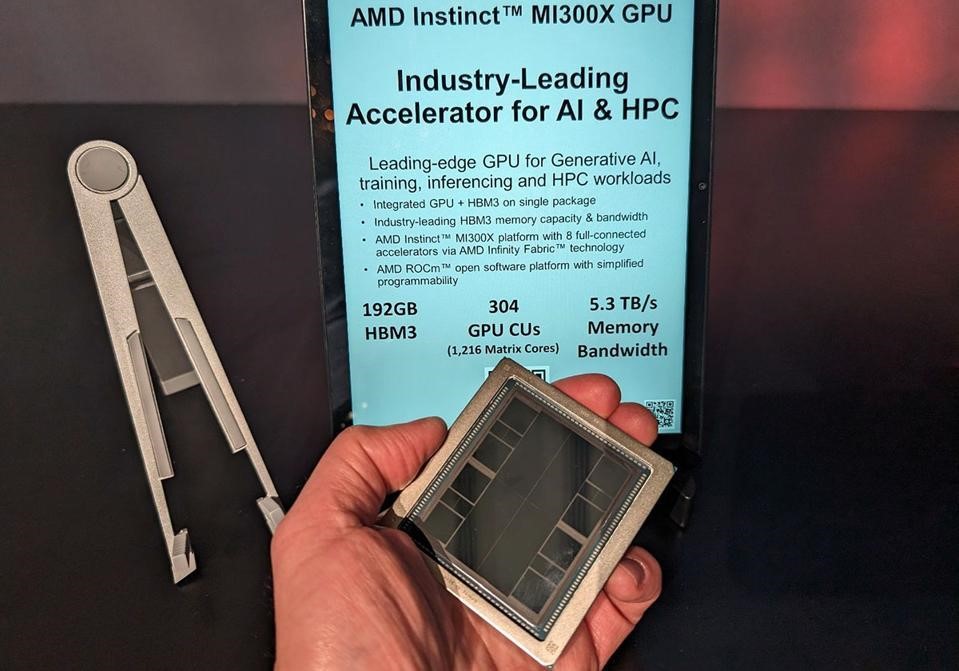
This may create new opportunities for competitors such as Advanced Micro Devices (AMD) and Broadcom.
Companies might look to diversify away from Nvidia if they worry about relying on a single supplier. This could lead to increased competition in the market and more options for customers.
However, it is not as easy to switch away from Nvidia. Companies will need to look at how compatible both the software and hardware are with their existing systems, and how fast and reliable the new hardware will be. This means there may be a delay before switching suppliers.
Overall this shows a wider economic issue. If an industry becomes reliant on a single supplier, and they have issues, then it can cause problems.
IS THE AI BOOM SUSTAINABLE?
The timing of the Nvidia situation comes at a time where people are already wondering about the amount of money that is being invested in the AI industry. Technology firms are investing heavily in data centres and computing with the assumption that they will be able to make enough revenue out of AI services in the future.
There is a risk involved in this and if there isn’t enough revenue coming into the business from AI services, they may feel the need to cut down their spending.
Whilst Nvidia’s situation shows us that there may be a bubble in the AI industry, it doesn’t indicate that AI is losing its economic importance by it losing value in the market place. Instead we should be focusing on whether or not the financial expectations are realistic and whether companies can gain sustainable returns from their investments.
BEYOND NVIDIA: A TEST FOR THE GLOBAL TECHNOLOGY SECTOR.
The Nvidia saga illustrates the concentration that can occur in the foundations of an industry growing rapidly.
This is a lesson for investors not to put their faith in one company. It shows AI companies the importance of diversifying your supply chain and having strong finances. It also shows governments how important semiconductors are becoming to their national security and global trade.
Ultimately, the future of the AI economy will be dictated by how well the industry can create a stable infrastructure, stimulate real competition and ensure that they can make sustained economic value through their technological advances.
Written by: Sachi Patil
Edited by: Avilasha Bakshi
REFERENCES:
Advanced Micro Devices. (2023, December 6). AMD delivers leadership portfolio of data center AI solutions with AMD Instinct MI300 series [Press release]. https://ir.amd.com/news-events/press-releases/detail/1173/amd-delivers-leadership-portfolio-of-data-center-ai-solutions-with-amd-instinct-mi300-series
C U, A. (2026, March 16). Nvidia CEO sees $1T AI chip demand by 2027 at GTC. CryptoRank. https://cryptorank.io/ru/news/feed/1c617-nvidia-ceo-sees-1t-ai-chip-demand-by-2027-at-gtccryptorank
International Energy Agency. (2025). Energy and AI. https://www.iea.org/reports/energy-and-aiiea
NVIDIA. (2023, September 18). CUDA. https://developer.nvidia.com/CUDAdeveloper.nvidia
Stanford Institute for Human-Centered Artificial Intelligence. (2025). The 2025 AI index report. https://hai.stanford.edu/ai-index/2025-ai-index-report