How rising temperatures are changing work, electricity, businesses and the cost of staying cool.
At 2 pm a delivery rider waits outside a restaurant. A construction worker searches for the shade between tasks. Inside the nearby office, the air conditioner keeps running.
They are experiencing the same heat. They are not just paying the same price for it.
For one person, extreme heat may mean fewer working hours. While for another, it may mean a higher electricity bill. For a business, it could mean rising operating costs or lost productivity.
Heat in other words is no longer just a weather problem.
It is becoming an economic one.
THE PRODUCTIVITY COST OF EXTREME HEAT
India’s economy has depended heavily on work that simply cannot be moved indoors.
Agriculture, construction, transport and other outdoor activities expose workers directly to high temperatures. When the heat becomes very excessive, workers may need more breaks and reduce their working hours or they become less productive.
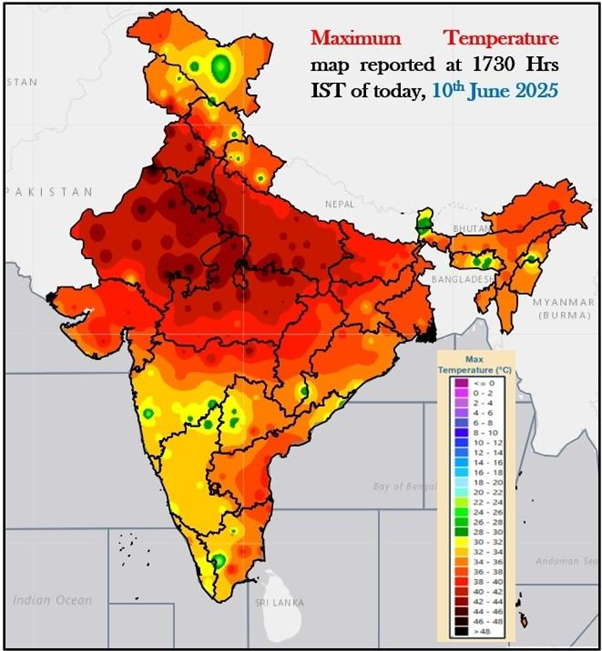
Figure 2. Maximum temperatures reported across India on 10 June 2025.
Source: India Meteorological Department (IMD), Ministry of Earth Sciences, Government of India.
The map shows just how widespread high temperatures can be across India, with large parts of the country recording temperatures above 40°C on 10 June 2025.
The World Bank’s 2026 report estimates that the extreme heat has already cost South Asia the equivalent of 31 million full-time jobs every year. Without adequate adaptation, the region’s economy could be nearly 7% smaller by 2050.
The impact is not just evenly distributed.
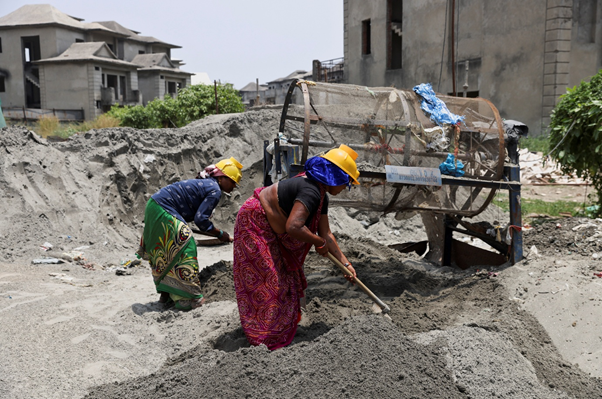
An office employee may be able to work from home or move indoors, but a construction worker will be unable to move the construction site.
The ability to adapt to the heat is itself becoming an economic advantage.
THE RISING COST OF COOLING.
There is another side to the heat equation, that is: cooling .
As the temperatures rise, the households and the businesses turn to the fans, coolers and air conditioners. When millions of people need cooling at the same time, the electricity demand rises sharply.
In India, the cooling already contributed to around 60 GW of peak electricity demand in the year 2024. The International Energy Agency projects that this could reach around 140 GW by 2030, making cooling an increasingly important part of the country’s electricity system.
This creates a simple economic chain:
Higher temperatures ? greater cooling demand ? higher electricity demand ? greater pressure on the power system.
The challenge also extends into the evening when the solar generation begins to decline but the demand for cooling can remain high.
So the cost of staying cool is not just limited to an individual’s electricity bill. It creates a larger infrastructural challenge as well.
THE UNEQUAL COST OF STAYING COOL.
Who can afford to stay cool?
This is where the economics becomes more complicated.
Cooling is not as equally accessible. An air conditioner can protect an individual from the extreme heat but buying one is only the beginning. Electricity, maintenance and the cost of running it add up too.
Those with higher incomes can generally afford more protection from the rising temperatures but those with fewer resources may continue working outdoors or living in spaces with limited cooling.
The World Bank identifies low-income households and informal workers among others as particularly vulnerable to extreme heat.
So when temperatures rise, the question is not simply, “How hot is it?”
It is also, “Who can afford to escape the heat?”
THE BUSINESS COST OF EXTREME HEAT.
The extreme heat also reaches the balance sheets of the businesses.
The outdoor businesses can lose a lot of productive hours. Shops and offices may spend more on cooling. Construction schedules can change, while transport and infrastructure may face additional pressure.
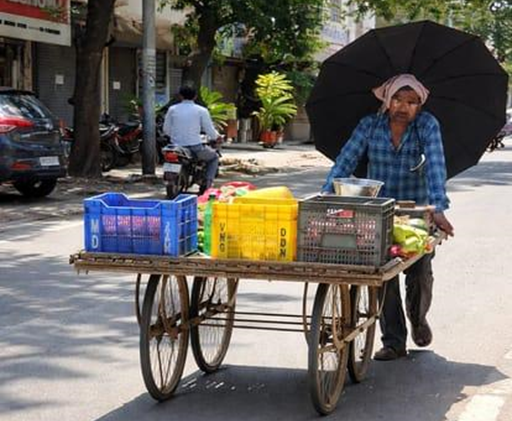
Figure 4. Extreme heat can increase the costs of working and operating businesses outdoors.
For a large company, a rise in operating costs may be manageable but for a small business operating on thin margins, the same increase can be highly significant.
And the businesses do not necessarily absorb every additional cost.
Some may pass these costs on to consumers through higher prices.
That means the heat can eventually show up in places consumers may not expect, like the electricity bills, transport costs, food prices and everyday services.
The India Meteorological Department has also highlighted the relationship between extreme temperatures, increased electricity demand and pressure on power supply.
THE ECONOMICS OF HEAT ADAPTATION.
There is however a catch. India must not respond to rising temperatures by consuming more of the electricity for cooling. More cooling means greater demand for power while inefficient appliances can add to the further pressure.
The answer is therefore better adaptation, not simply more consumption.
Energy efficient air conditioners, better building designs, shaded public spaces, heat resilient infrastructure and early-warning systems can reduce the economic damage caused by the extreme heat.
The IEA estimates that if all new air conditioners sold in India by 2030 were highly efficient, the increase in the peak electricity demand could be 20% lower.
In other words, spending today on efficient cooling and resilient infrastructure could prevent much larger costs tomorrow.
WHO ULTIMATELY BEARS THE COST?
There is no single answer.
- Workers may pay through the lost working hours.
- Households may pay through the higher electricity bills.
- Businesses may pay through lower productivity and higher operating costs.
- Governments can pay for the infrastructure and public health measures.
- Consumers may eventually pay again if the businesses pass some of these costs to the prices.
The heat does not affect only the thermometer. It moves through the economy as well.
It is not possible for India to prevent every heatwave. But it can decide how much each one costs.
The real policy question therefore is not simply how to keep people cool.
It is how to build an economy where protection from the extreme heat does not become a privilege which only few can afford.
Because as temperatures rise, resilience will determine more than who stays comfortable.
It may determine who can keep working, who can keep their business running and who can afford the cost of doing either one of them.
Written by: Sachi Patil
Edited by: Avilasha Bakshi
References
International Energy Agency. (2025). Electricity 2025: Demand. https://www.iea.org/reports/electricity-2025/demand
International Energy Agency. (2025, July 28). Staying cool without overheating the energy system. https://www.iea.org/commentaries/staying-cool-without-overheating-the-energy-system
International Energy Agency. (2026, June 3). India’s electricity demand grows at night: Managing rising cooling demand. https://www.iea.org/commentaries/india-s-electricity-demand-grows-at-night-managing-rising-cooling-demand
India Meteorological Department. (2025). Vision 2047. Ministry of Earth Sciences, Government of India. https://internal.imd.gov.in/press_release/20250114_pr_3552.pdf
World Bank. (2026). A livable future: Protecting jobs and growth from extreme heat in South Asia’s cities. https://www.worldbank.org/en/region/sar/publication/a-livable-future-protecting-jobs-and-growth-from-extreme-heat-in-south-asia-s-cities